How to Sleep Better at Night
8 Min Read |
With contributions from Rosie Weatherley
Last Modified 4 August 2026 First Added 16 January 2020

 Reviewed by Sleep Expert Sammy Margo
“It’s not just about quantity of sleep, it’s also about quality of sleep. Getting that regular deep restorative sleep can not only help you to look better but help you to feel more alert, energetic and ready to perform at your peak.”
Our UK Sleep Survey revealed that, on average, people have a disturbed or broken night 3.4 nights a week, and only 5% always wake up feeling refreshed. More than a quarter of us worry about not sleeping well most or every night. If you regularly struggle to drop off or wake up tired, you’re in good company.
When we asked what keeps people up, the most common answers were a racing mind (37%), stress (28%) and being too hot in bed (24%). A lot of these are things you can influence, which is what the rest of this guide is about.
Going to bed and waking up at the same time every day helps regulate your internal clock. Consistency is more important than hitting a specific number of hours, as the amount of sleep each individual needs varies. A predictable routine trains your brain to recognise when it’s time to wind down. Even at weekends, sticking close to your usual schedule supports deeper, more restorative sleep.
Discover your optimal sleep time and wake time with our Sleep Cycle Calculator.
Phones, tablets and TVs emit blue light, which can suppress melatonin, the hormone that helps you feel sleepy. Using screens close to bedtime can delay sleep and reduce overall sleep quality. Try switching off devices 30 to 60 minutes before bed, or use night-mode settings if you need to. Replacing scrolling with calming activities makes it easier to fall asleep naturally.
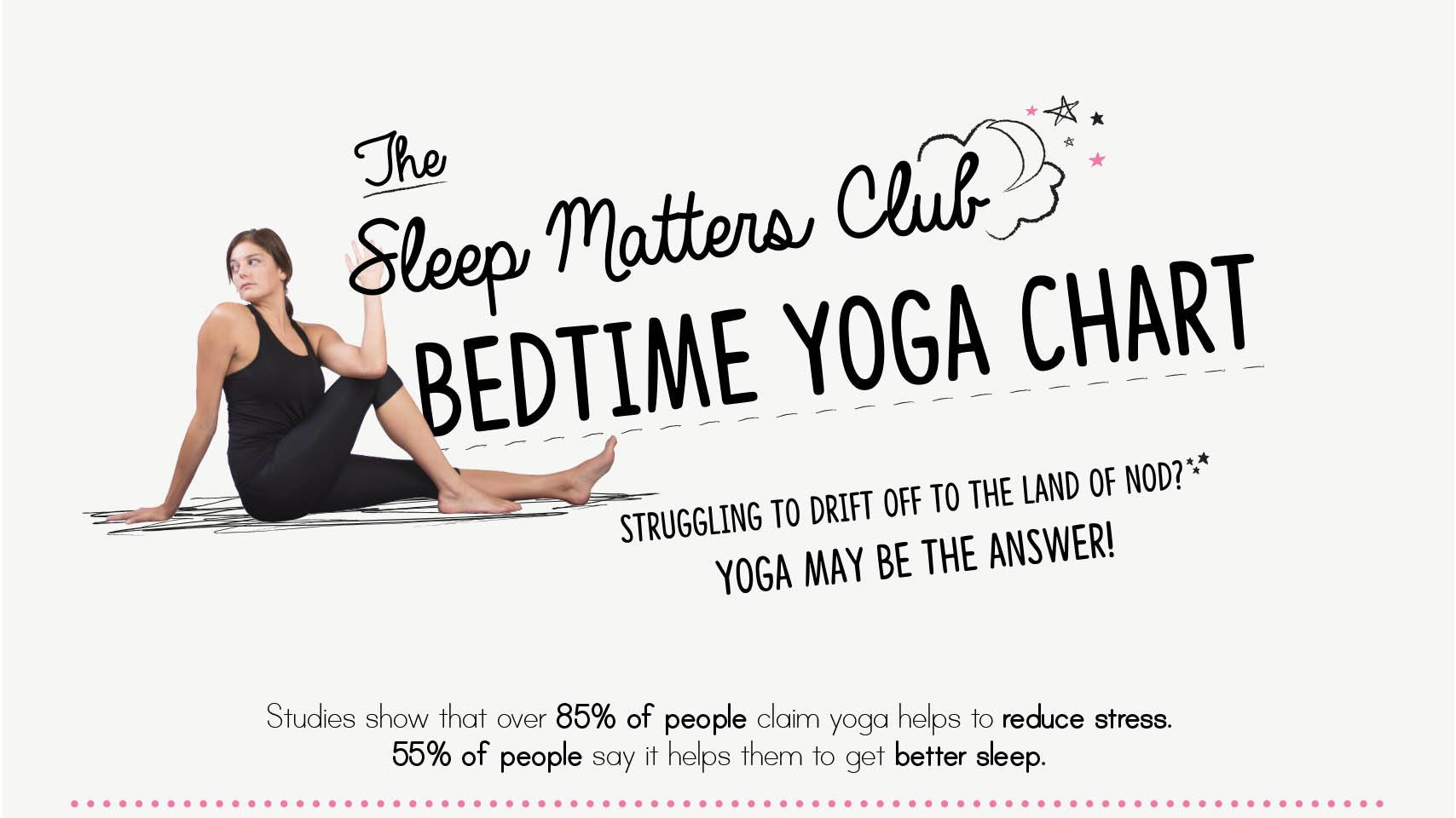
Your bedtime routine should start at least an hour before sleep and focus on calming activities. Reading a book, stretching, meditation, taking a warm bath, or practising gentle breathing exercises help signal that the day is coming to an end. Avoid stimulating tasks or problem-solving late at night, as these keep the brain alert. The goal is to transition gradually from activity into rest, not switch off abruptly.

 Insight from Rosie Weatherley, Mind
“If you find your mind races at night, or you’re very stressed, relaxation techniques can help. You could try listening to calming music, doing a grounding exercise, or focus on untensing your body.”
Struggling to relax?
A cool, dark and quiet bedroom makes it easier to drop off. Most people sleep best at around 18°C, with blackout curtains or an eye mask to block out light and white noise to cover any disturbances.
Your bed counts just as much as the room. A sagging or unsupportive mattress, or the wrong pillow for the way you sleep, can leave you tossing and turning however cool and dark things are. And if you tend to overheat at night, cooling bedding helps you stay comfortable until morning.
Too hot or too cold at night?
Working, watching TV or scrolling in bed weakens the link between your bed and sleep, so over time your brain finds it harder to switch off when you lie down. Sleep experts call this stimulus control, and the fix is simple. Keep the bed for sleep and intimacy, and do your scrolling, working and telly somewhere else. If you live in one room and that isn’t possible, sit somewhere different to wind down, then move to bed only when you feel sleepy. Protecting that association is one of the most reliable ways to help you drift off.
Turn clocks away or remove them from view to avoid clock-watching, which can increase stress and make it harder to fall asleep. Repeatedly checking the time often triggers anxious thoughts about not being able to sleep. The same applies to your phone; place it face down or out of reach so the screen doesn’t tempt you to check the time.
Caffeine, nicotine, alcohol and large meals close to bedtime can all disrupt your slumber. Try to avoid caffeine after midday, and finish eating at least 2 to 3 hours before bed. Alcohol may make you feel tired at first, but it often causes fragmented sleep later in the night. Light snacks and calming drinks, such as herbal teas, are usually better choices.
Hungry?
Even small amounts of regular exercise during the day can help you sleep at night. Whether it’s walking or cycling, it supports healthy sleep hormones like melatonin and helps regulate your sleep-wake cycle. Just avoid intense workouts too close to bedtime, as this can keep you awake for longer.
Aim for at least 30 minutes of natural daylight in the morning or during the day to help sync up your natural body clock. Bright light during the day and darkness at night signal to your brain when to be alert and when to release melatonin, the hormone that makes you feel sleepy. Even on cloudy days, spending time outdoors can make a noticeable difference.
Lying in bed, willing yourself to sleep, usually backfires because it teaches your brain to link the bed with frustration. If you’re still awake after around 15 to 20 minutes, get up and do something quiet and relaxing in dim light, like reading. Skip screens and don’t check the clock. Head back to bed only when you feel sleepy, and repeat if you need to.
Long or late naps can interfere with your ability to sleep at night. If you need a daytime nap, keep it short, around 10-30 minutes, and take it earlier in the afternoon. Short naps can restore energy without disrupting your sleep rhythm. If naps consistently affect nighttime sleep, it may be best to avoid them altogether.
Stress and anxiety are common causes of insomnia, poor sleep, and nighttime waking. Writing worries down, making a to-do list for the next day, or practising mindfulness can help clear your mind. Techniques like cognitive behavioural therapy (CBT) are especially effective for ongoing sleep problems. Learning to manage stress during the day often leads to better sleep at night.
Insight from Rosie Weatherley, Mind
“If these tips don’t help you feel less anxious or stressed, it might be a sign that you need some support. You can speak to a GP about stress and anxiety, or visit Mind's website.”
Feeling anxious?
Some people find essential oils and natural sleep aids, such as lavender, chamomile, magnesium, or guided relaxation, helpful. These can support relaxation, though the evidence is mixed, and they work best alongside good sleep habits. Supplements should always be used with care. If you’re unsure, speak to a pharmacist or GP before starting anything new.
Occasional poor sleep is normal, but persistent sleep problems shouldn’t be ignored. Ongoing insomnia, loud snoring, breathing pauses, or extreme daytime tiredness may indicate a sleep disorder. A GP can help identify underlying causes and recommend treatment, and the NHS has clear guidance on insomnia and sleep apnoea if you want to read more before booking an appointment.
Insight from Rosie Weatherley, Mind
“Tips on how to sleep better can be overwhelming. There is a lot of information, and it can be hard to know what to start with. Some tips might not work for you, or not be possible right now. And different things work for different people. It’s OK to start small and see how one or two tips work for you. You can always try different things later.”
Sleeping better at night usually comes down to consistency and environment. Going to bed and waking up at the same time each day, creating a cool and quiet bedroom, and following a relaxing wind-down routine all support better sleep. Reducing caffeine, alcohol, and screen use in the evening also makes it easier to fall and stay asleep.
Waking up during the night can be caused by stress, anxiety, alcohol, caffeine, noise, light, or an uncomfortable sleep environment. Hormonal changes, pain, or needing to use the toilet can also interrupt sleep. If nighttime waking occurs frequently, it may be associated with insomnia or another sleep disorder.
The 15-minute (or 20-minute) sleep rule suggests getting out of bed if you can’t fall asleep within that time. Engaging in a calming activity in low light, such as reading, helps prevent frustration and stops your brain from associating the bed with wakefulness. You should return to bed only when you feel sleepy again.
Caffeine-free drinks such as chamomile tea, peppermint tea, or warm milk may help promote relaxation before bed. These drinks don’t cause sleep directly, but can support a calming routine. It’s best to avoid large amounts of liquid close to bedtime to reduce nighttime waking.
Sleeping better at night rarely comes from one quick fix, but from small, consistent changes that support your body’s natural rhythm. By building a calming routine, creating the right sleep environment, and managing stress and habits during the day, you give yourself the best chance of restful, uninterrupted sleep. If problems persist, seeking professional advice can help uncover and address the root cause.